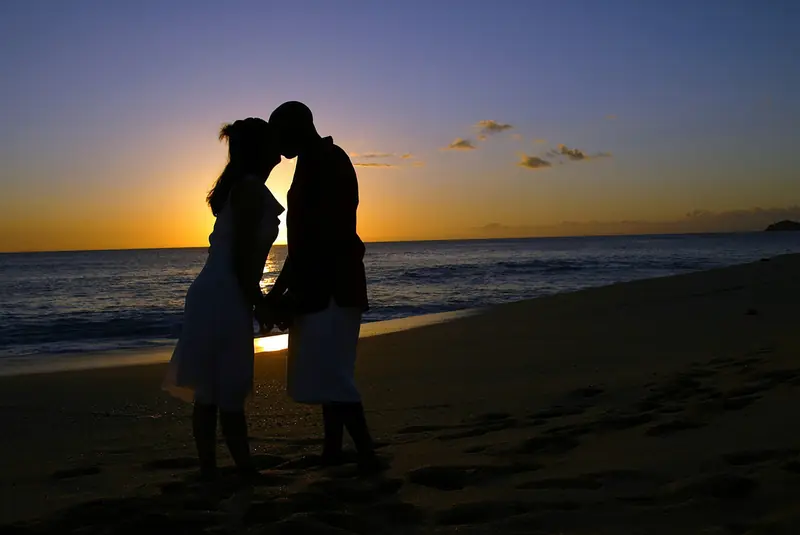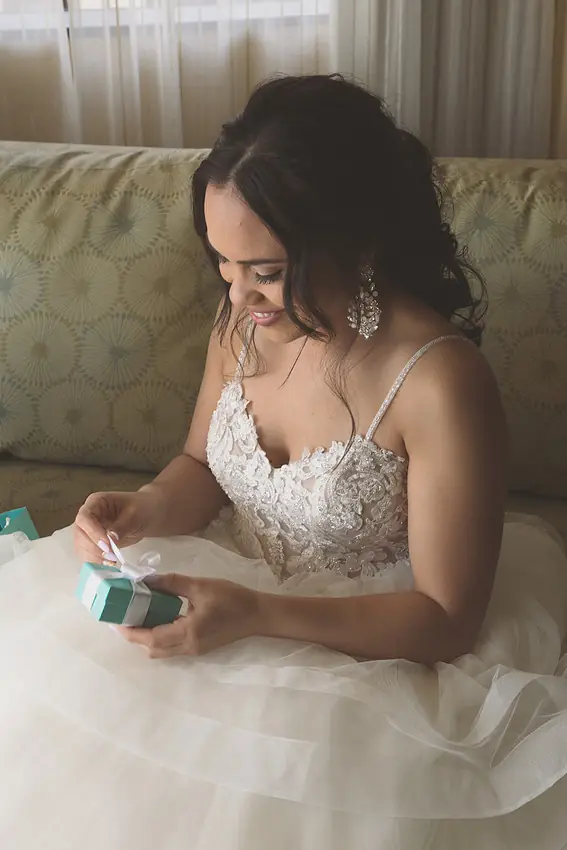
Couples planning from the mainland often hire their planner first and their photographer second, then assume the two will figure it out. Usually we do. But when we talk early, the whole day gets easier — and the photographs get better, because the timeline is built around the light instead of squeezed into it.
Here’s what that relationship looks like from my side, and how to set it up.
Why it matters more at a destination wedding
At home, your vendors have probably worked together before. In Hawaiʻi, your planner may be coordinating a florist from one side of the island, a caterer from another, and a photographer you found online. Everyone is good at their job; what matters is that they share one plan. With guests on a tight weekend schedule and a sunset that won’t wait, there’s little room for improvising.
What I need from your planner
- The draft timeline, early. I’ll mark it up with sunset time, the best window for portraits and how long family photos realistically take.
- The venue map and rules. Where photography is allowed, vendor arrival times, and any restricted areas.
- The rain plan and decision time. When will we call it, and where does everything move?
- Contacts for the day. Who to call if a shuttle is late or a family member is missing from the group photo list.
- Permits. If any part of the day happens on a beach or park, who holds the permit and its conditions. See Oʻahu beach wedding and photo permits.
What I bring to the planner
- The light plan. Where the sun will be at ceremony time, which way you should face, and when we need to leave for portraits.
- Realistic photo time. Family photos for a large family can take longer than couples expect. I’ll give your planner an honest number.
- A shot list built with you. Must-have family groups and details, so the planner can have people ready.
- Calm on the day. I’ve been photographing for more than 30 years, across fashion, commercial work and weddings. When the timeline slips, I work with your planner to protect what matters most.
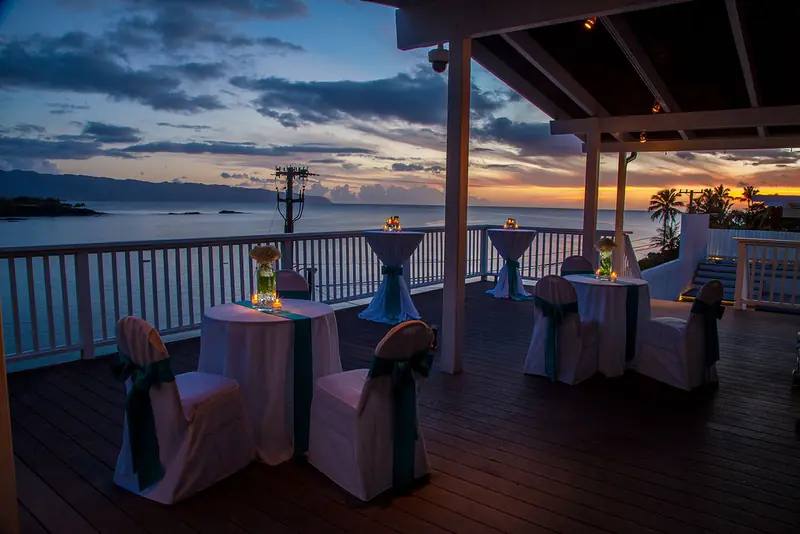
Building the timeline together
We start from sunset and work backwards. A typical full-day structure on Oʻahu looks like this:
- Getting ready — details, dress, final touches, letters or gifts.
- First look (optional) — gives you portraits and wedding-party photos before the ceremony, so you can join cocktail hour.
- Ceremony — a good rule of thumb is to start 90 minutes to two hours before sunset.
- Family photos — right after the ceremony, while everyone is together.
- Golden-hour portraits — twenty to thirty minutes just the two of you, as the sun drops.
- Reception — entrances, toasts, first dance, cake, and the dance floor.
More detail, including sunset times by month, is in the best time of year (and day) to marry on Oʻahu.
Family photos: the part everyone underestimates
Destination weddings often bring together family who rarely see each other, and these photographs become heirlooms. Send your planner and me a list of groupings in advance, with names. Ask one family member from each side to help gather people. Keep it to the groups you truly need, and plan for older guests to sit between groupings in the shade.
On the day
Your planner runs the day; I document it. In practice we’re in contact constantly — a glance before the processional, a word when portraits need to start, a quick adjustment when the clouds move in. You shouldn’t have to think about any of it.

How to set it up
- Introduce us by email once both are booked.
- Share one master timeline document that everyone edits.
- Schedule a short call two to four months out, and another in the last few weeks.
- Tell both of us what matters most to you — the three photographs you can’t live without.
If you don’t have a full planner
Some couples planning a smaller wedding choose a day-of or month-of coordinator instead. That can work well, as long as someone other than you owns the timeline on the day. Without a coordinator, the photographer often ends up herding family and cueing the DJ — time that should go to your photographs. If budget is tight, a coordinator for the final month is the best compromise.
Referrals I can make
Over decades on Oʻahu, I’ve worked alongside planners, florists and videographers I trust. I’m photography only, so if you’d like traditional video, I’m glad to recommend a videographer who works well with me. A planner who already knows your photographer saves everyone time.
See my trusted Oʻahu vendors for the planners and florists I recommend.
Questions to ask your planner about photography
- Have you worked with my photographer before?
- Will you build the timeline around sunset?
- Who will gather family for group photos?
- What’s the rain plan for portraits as well as the ceremony?
- Are there photography restrictions at our venue?
Coverage that fits a planned wedding
For a full wedding with guests and a planner, I recommend Mōʻī (from $6,900 — up to ten hours, two photographers, a 12×12 album, a custom song and cinematic AI film made from your photos, and a welcome-party mini session) or Kamaliʻi Wahine (from $5,200 — up to eight hours with two photographers and an album). Extra hours are $250 per hour and a second photographer is $150 per hour. Travel anywhere on Oʻahu is included, a 30% retainer reserves your date, and your gallery arrives within 1 to 2 weeks. See the investment page, weddings, or intimate ceremonies from $1,650.
Planners are welcome to reach out directly through the contact page to check a date for a client.
Frequently asked questions
Can you recommend a planner or videographer?
Yes. I’m photography only, and I can refer planners, florists and videographers I’ve worked alongside on Oʻahu.
Do you offer videography?
No — I’m a photographer only. I’m glad to refer a videographer I trust, and you can add an optional cinematic AI film made from your photos, set to your custom song, by our sister studio ʻImi Studio Creative (song $150; song + cinematic AI film from $450).
Do photographers and wedding planners work together?
Yes, and the earlier the better. Your planner shares the timeline, venue rules and rain plan; your photographer adds the light plan, realistic photo time and a shot list.
When should our planner and photographer first talk?
As soon as both are booked, with a short call two to four months before the wedding and another in the final weeks.
How long do family photos take?
It depends on the number of groupings and how quickly people gather. Send a named list in advance and ask one person from each side to help.
Can our planner check your availability for us?
Yes. Planners can use the contact page to check a date on behalf of a couple.