The best destination weddings I’ve photographed share something that has nothing to do with flowers or linens. The guests felt looked after from the moment they landed. They knew where to be, they had time to rest, and they had more than one chance to be together. For you, that also means more than one chance to actually talk to the people who came.
Here’s how I’d shape a wedding weekend on Oʻahu, event by event, and how to weave in Hawaiian traditions thoughtfully.
Arrival: the first impression
A welcome bag at check-in sets the tone: water, a mineral sunscreen (Hawaiʻi bans the sale of sunscreens with oxybenzone or octinoxate), a printed weekend schedule, local snacks and a note from you. Include practical details — dress code for each event, shuttle times, and a number to call.
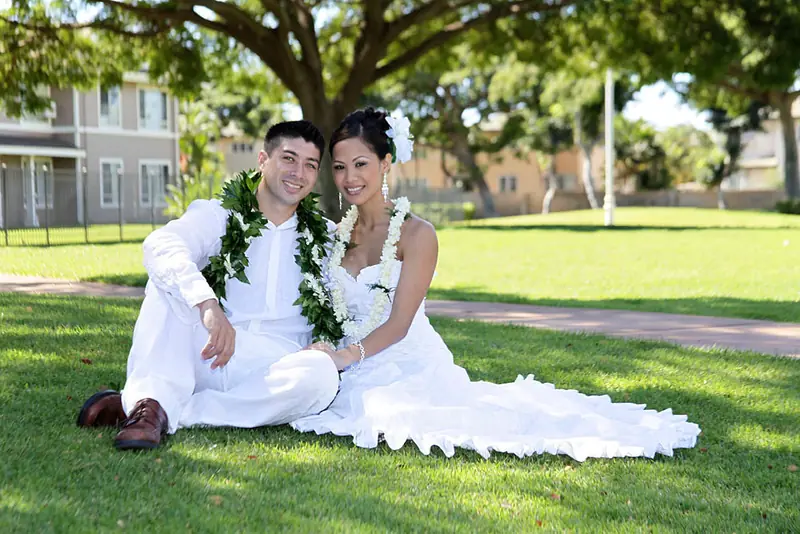
Many couples greet guests with a lei. If you do, ask your florist about the right lei for each guest. Traditionally a lei was tied around the neck rather than cast over the head, out of respect for the head — a lovely detail to share with whoever is greeting guests. A lei is a gesture of aloha, not a costume piece.
The welcome evening
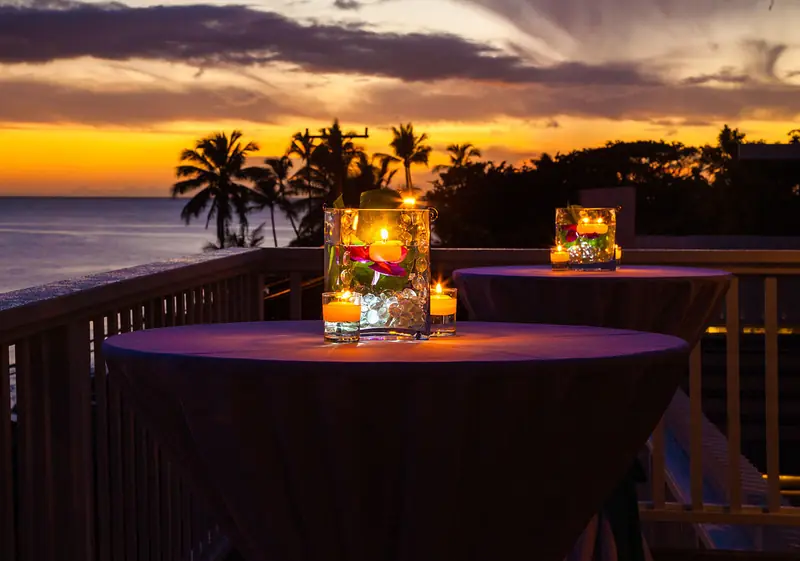
Whether it’s a dinner on a lanai, cocktails at sunset or a welcome lūʻau, this is usually the most relaxed night of the weekend. People are reconnecting, dress codes are softer, and nobody is watching the clock. I love photographing it, because it’s where the candid family moments happen.
Hosting a welcome lūʻau
A lūʻau can be a joyful, generous welcome when it’s done well. A few thoughts:
- Work with a caterer or entertainment company that features local food and performers, and ask them about the cultural meaning of what guests will see.
- Hula is a sacred, serious art form. Treat performers as artists rather than background entertainment, and give them proper space and light.
- Plan the timing so guests eat before sunset and the performance runs into the evening — it photographs beautifully under warm light and torches.
The rehearsal
A rehearsal at the ceremony site, at the same time of day as your ceremony, is worth its weight in gold. Your officiant, planner and wedding party learn the space, and I can confirm where the sun will be. Keep it short; then head to the rehearsal dinner.
The wedding day
Everything else in this guide supports this day. Build the timeline backwards from sunset, protect time for family photos, and give yourselves twenty minutes alone for portraits in the last good light. I cover the light and a sample timeline in the best time of year (and day) to marry on Oʻahu.
Hawaiian traditions to include with respect
Hawaiian wedding traditions are living culture, not décor. If you want to include them, ask a kahu (officiant) or cultural practitioner to lead and explain them, and let them guide what’s appropriate.
- The pū (conch shell). Blown to announce an arrival or mark an important moment, often at the start of the ceremony or after the kiss. Ask me to stand where I can capture both the sound and your reaction.
- The oli. A chant that opens the ceremony and welcomes the couple and guests, offered by someone trained to give it.
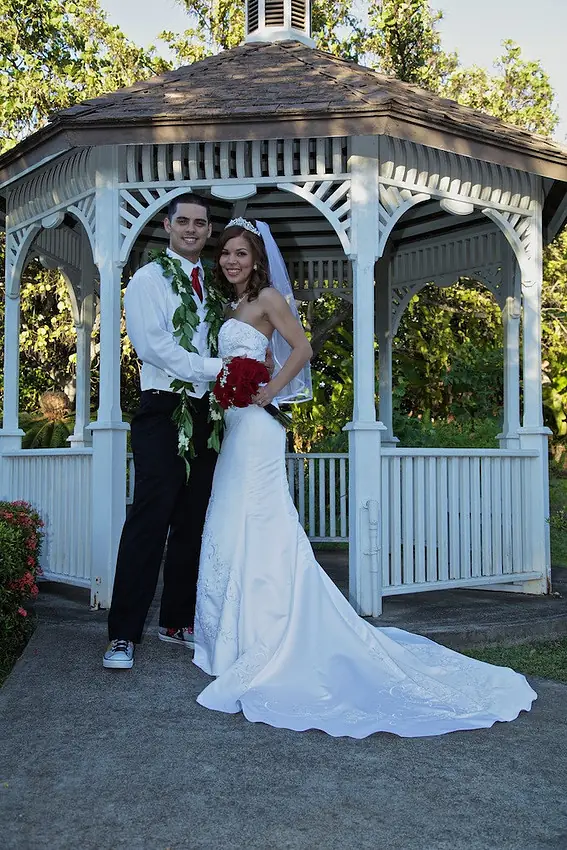
- The lei exchange. Often a maile lei for the groom — an open strand of green vine — and a fragrant pīkake or flower lei for the bride. Couples may also present lei to parents and the wedding party.
- Pili ā nai kealoha. The officiant binds the couple’s hands with a maile lei while offering an oli, a symbol of love that holds.
The after-party
If the reception venue has an early end time, an after-party keeps the celebration going. It’s also when the most unguarded photographs happen — the dance floor at full volume, the speeches everyone forgot were recorded, the moment your shoes come off. If you want it covered, add an hour or two of coverage at $250 per hour.
The farewell brunch
A late breakfast the morning after gives everyone one last moment together before flights. Many couples pair it with a day-after portrait session — fresh, unhurried and often in gentler light than the wedding afternoon. See why multi-day coverage is worth it.
Small touches guests remember
- Shuttles between hotel, ceremony and reception, so nobody drives after toasts.
- Shade, water and fans for an outdoor ceremony.
- A covered plan for the welcome evening as well as the wedding.
- Seating for older guests on any beach portion of the day.
- A clear note on reef-safe sunscreen and respecting beaches and wildlife.
A sample wedding weekend
- Thursday: guests arrive; welcome bags in rooms; you meet your license agent.
- Friday afternoon: rehearsal at the ceremony site at ceremony time.
- Friday evening: welcome dinner or lūʻau.
- Saturday: the wedding, built around sunset.
- Saturday late: after-party.
- Sunday morning: farewell brunch, then a day-after portrait session.
Leave free time between events. Guests on vacation want time at the beach, and you’ll want time to rest.
The right vendors make a weekend like this feel easy: a planner who has run lūʻau before, a caterer who knows local food, a florist for lei and tablescapes, and — since I photograph only — a videographer if you want the toasts and vows on video.
See my trusted Oʻahu vendors for the planners and florists I recommend.
Photographing the whole weekend
My Mōʻī collection (from $6,900) was built for this kind of weekend: up to ten hours on the wedding day with two photographers, a 12×12 album, a custom song and cinematic AI film made from your photos, and a mini session at your welcome party. Kamaliʻi Wahine (from $5,200) covers up to eight hours with two photographers. Extra hours for the rehearsal dinner, lūʻau or after-party are $250 per hour, and a second photographer is $150 per hour. Travel anywhere on Oʻahu is included. See the investment page, read about weddings, or — if you’re planning something more intimate — elopements from $1,650.
Frequently asked questions
Can you recommend a videographer or planner?
Yes. I’m photography only, and I’m happy to refer planners, florists and videographers I trust for a destination weekend.
Do you offer videography?
No — I’m a photographer only. I’m glad to refer a videographer I trust, and you can add an optional cinematic AI film made from your photos, set to your custom song, by our sister studio ʻImi Studio Creative (song $150; song + cinematic AI film from $450).
Should we have a welcome event for our destination wedding?
Yes, if you can. Guests travel a long way, and a relaxed welcome dinner or lūʻau gives everyone time together before the wedding day. It also produces some of the best candid photographs of the weekend.
Can you photograph our welcome lūʻau or rehearsal dinner?
Yes. My Mōʻī collection includes a welcome-party mini session, and any collection can add coverage at $250 per hour.
How do we include Hawaiian traditions respectfully?
Ask a kahu or cultural practitioner to lead and explain them. Traditions such as the pū, oli, lei exchange and pili ā nai kealoha carry real meaning, so let someone who knows them guide what’s appropriate.
Is after-party coverage worth it?
If your reception ends early or you’re continuing elsewhere, an extra hour often captures the most relaxed, joyful moments of the night.
Sources
- Go Hawaiʻi — Hawaiian Traditions and Customs
- The Knot — Hawaiian Wedding Traditions & Customs
- Hawaiʻi Revised Statutes §342D-21 — sunscreen sale restrictions