
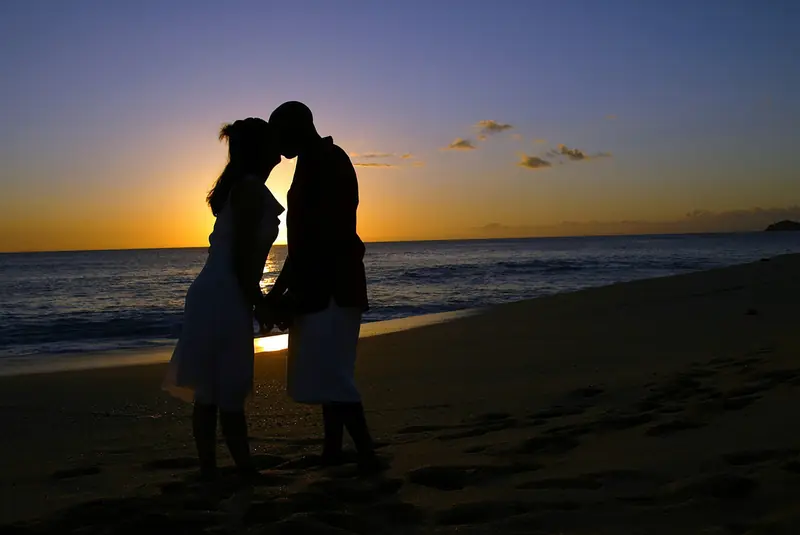
Couples often ask for “the month with perfect weather.” The honest answer is that Oʻahu is mild all year, and the bigger question is what you want from the day: guaranteed sunshine, dramatic winter skies, whales on the horizon, or the longest possible evening. Here’s how the year breaks down, and why the time of day matters even more than the month.
Two seasons, not four
The National Weather Service describes Hawaiʻi as having essentially two seasons: a drier “summer” from about May to October and a wetter “winter” from about October to April. Temperatures barely change; what changes is rain and wind.
Summer (May to October)
- Northeasterly trade winds blow most of the time — roughly 80 to 95 percent of the time from May through September — keeping the air fresh.
- Widespread rainstorms are rare. Showers tend to be brief and fall mostly on windward coasts and near the mountains.
- Late August and September are usually the warmest months, so plan shade and water for guests.
- The Central Pacific hurricane season runs through these months; storms rarely affect the islands, but it’s worth having a flexible plan and travel insurance.
Winter (October to April)
- Trade winds are less steady, and cold fronts and storms bring more cloud and rain. The National Weather Service notes October sees more flash flooding than any other month.
- Rain usually comes in waves, with clear, crisp days in between, and the skies can be spectacular for photographs.
- North-facing shores get big winter surf — dramatic as a backdrop, but not a place to stand close to the water.
- Humpback whales visit Hawaiian waters from about November to May, with the peak from January through March.
Spring and fall: the sweet spots
April–May and September–October are often a sweet spot. The weather is usually settled, the light is warm, and these months avoid both the wettest part of winter and the hottest weeks of late summer. For destination guests, they can also be easier to plan around than summer school holidays or the December holidays.
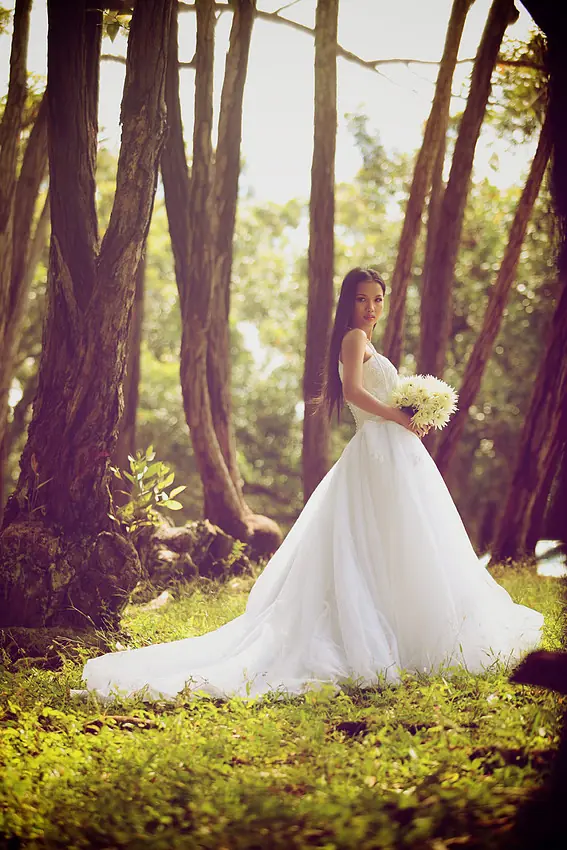
Sunset times by month
Hawaiʻi doesn’t observe daylight saving time, so the sunset moves more than many mainland couples expect. These are approximate times for Honolulu around the middle of each month (exact times vary slightly by date and location):
- January: about 6:10 pm
- February: about 6:30 pm
- March: about 6:40 pm
- April: about 6:50 pm
- May: about 7:00 pm
- June: about 7:15 pm
- July: about 7:15 pm
- August: about 7:00 pm
- September: about 6:35 pm
- October: about 6:05 pm
- November: about 5:50 pm
- December: about 5:50 pm
The best time of day
For photographs, the hour before sunset is the most flattering light of the day. The sun is low and warm, shadows are soft, and the ocean glows. Midday light in Hawaiʻi is bright and directly overhead, which means squinting and harsh shadows under the eyes. Sunrise is the other gift: cool, quiet beaches and soft, pink light — a wonderful choice for a day-after session.
A golden-hour timeline for a full wedding
Here’s how a full-day wedding might look with a sunset around 6:50 pm, as in April. Your planner will adjust it to your venue and traditions.
- 12:30 pm — I arrive for details: rings, invitations, gown, lei.
- 1:00 pm — getting ready, both of you (two photographers make this possible at the same time).
- 2:30 pm — first look and wedding-party portraits in open shade (optional).
- 3:30 pm — guests arrive; cocktails in the shade.
- 4:30 pm — ceremony.
- 5:00 pm — family photos.
- 5:30 pm — cocktail hour; you join guests.
- 6:15 pm — golden-hour portraits, just the two of you.
- 7:00 pm — grand entrance and dinner.
- 8:00 pm — toasts, first dance, parent dances.
- 9:30 pm — dancing, then your exit.
Move everything earlier in winter and later in summer. With a first look, you’ll have finished most portraits before the ceremony and can spend cocktail hour with your guests.
Planning around rain and wind
- Always have a covered backup at the venue, and agree a decision time with your planner.
- A passing shower often leaves the best light of the day behind it. Keep twenty minutes flexible for portraits afterward.
- Trade winds lift veils beautifully but play havoc with loose hair. See what to wear in Hawaiʻi light.
- Gardens and forest paths photograph beautifully under cloud. See the best Oʻahu portrait locations.
A winter wedding timeline
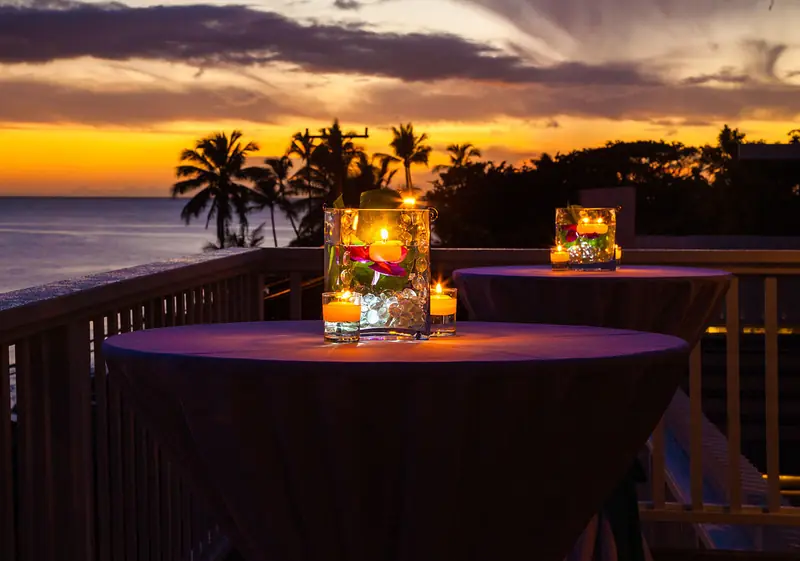
With a December sunset around 5:50 pm, everything shifts earlier: a ceremony around 3:30 to 4:00 pm, family photos right after, portraits by about 5:15 pm, and dinner from 6:00 pm. The upside is a long, candlelit evening.
Thinking about your guests’ calendars
Holidays matter for destination guests. Weekends around major holidays can be harder for guests to book and more expensive to travel, while a date just outside them may be easier for everyone. Before you commit, check school calendars for families with children, and give guests a long lead time to request leave.
Season-by-season portrait ideas
- Summer: calm south and west shores, turquoise water, long evenings.
- Winter: dramatic skies, big surf as a backdrop on the North Shore, and lush greens after rain.
- Any season: gardens under soft cloud, and sunrise on the windward side.
Book the light
Sunset weekends in spring and fall are the first dates to go. Most couples reserve 6–12 months ahead, and a 30% retainer holds your date. Full weddings start at $3,800 (up to six hours), $5,200 (up to eight hours, two photographers) and $6,900 (up to ten hours with an album, custom song, cinematic AI film made from your photos, and a welcome-party mini session); intimate ceremonies start at $1,650. See the investment page, weddings and elopements.
Frequently asked questions
Is hurricane season a concern for a Hawaiʻi wedding?
Tropical storms rarely affect the islands, but the threat overlaps summer and early fall. The National Weather Service notes it usually drops quickly by early October, though it can continue into November in El Niño years. Keep a flexible plan and consider travel insurance.
What is the best month to get married on Oʻahu?
There’s no bad month. May to October is drier with steady trade winds; October to April is wetter with more dramatic skies and whale season. Many couples choose spring or fall for settled weather and warm light.
What is the rainy season in Hawaiʻi?
Roughly October through April, according to the National Weather Service. Showers are usually brief, so a covered backup and a flexible portrait window are enough for most weddings.
When is whale season on Oʻahu?
Humpback whales visit Hawaiian waters from about November to May, with the peak from January through March.
What time is sunset in Honolulu?
It ranges from about 5:50 pm in late November and December to about 7:15 pm in June and July. Hawaiʻi doesn’t use daylight saving time.
What time should our ceremony start?
A good rule of thumb is 90 minutes to two hours before sunset, so family photos and portraits fall in the last golden hour.
Sources
- National Weather Service Honolulu — Climate of Hawaiʻi
- National Weather Service Honolulu — Frequently Asked Questions
- Western Regional Climate Center — Climate of Hawaiʻi (trade wind frequency)
- NOAA Hawaiian Islands Humpback Whale National Marine Sanctuary
- Sunrise and sunset times, Honolulu (timeanddate.com)