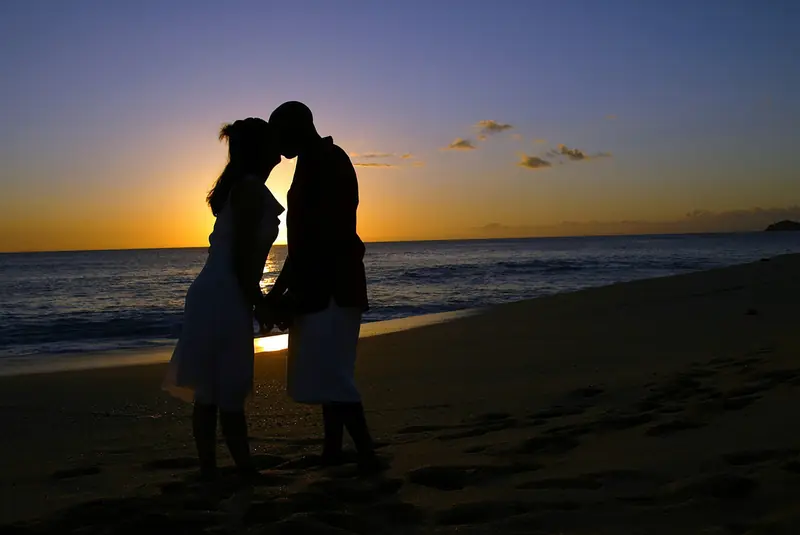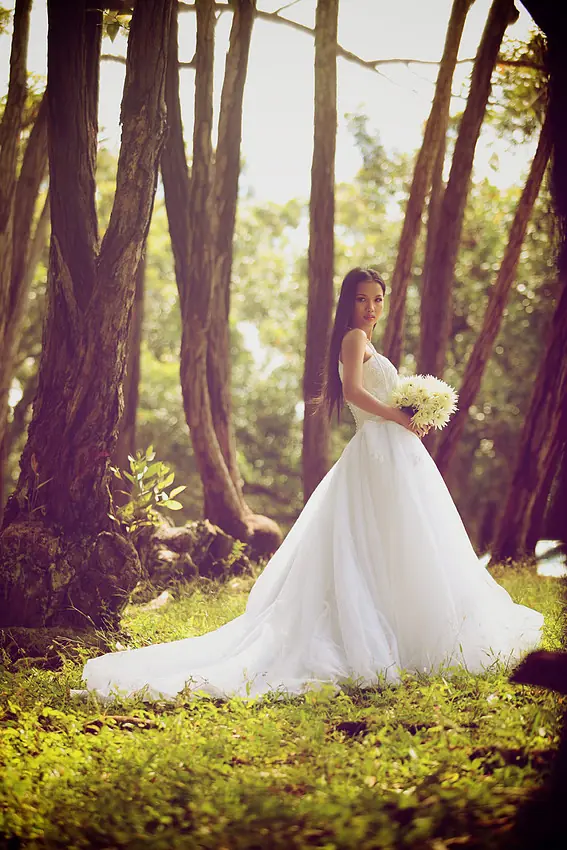
Before I photographed weddings full time, I spent years on fashion and commercial sets. That background shapes how I think about wedding attire here: not just how it looks on the hanger, but how it moves in the wind, how it handles humidity, and how it reads against bright sand and deep green mountains.
Gowns that love the island
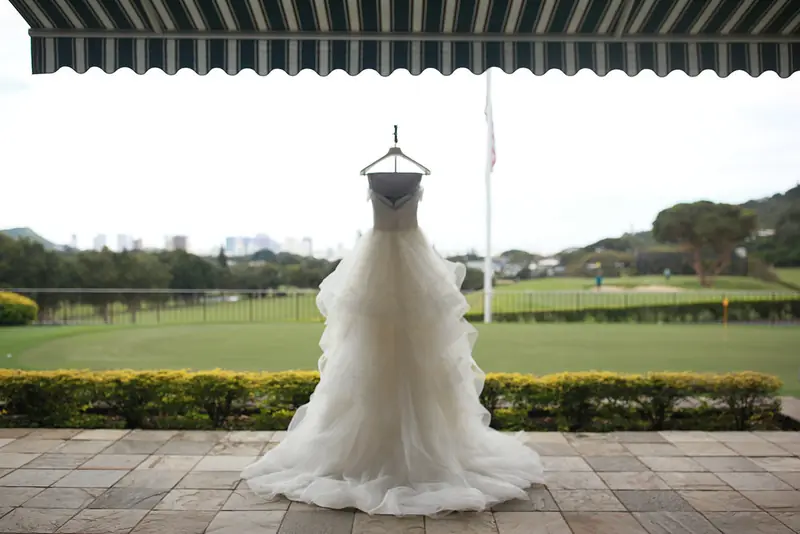
- Fabrics with movement. Chiffon, organza, silk crepe and soft tulle catch the trade winds and give you that floating, editorial look. Heavy satin and dense beading are gorgeous indoors, but can feel hot outside in the afternoon.
- Length and trains. A long train photographs beautifully on sand and lawns. Plan a bustle for the reception, and ask your planner or a bridesmaid to carry a small brush for sand.
- Veils. A cathedral veil in the wind is one of the most striking images in Hawaiʻi. It also has a mind of its own. Secure it well, and plan a few moments without it for windy portraits.
- A second look. Many destination brides change into something lighter for the reception or the welcome party, and that can be easier to dance in.
Suits for the climate
- Lighter fabrics. Linen, lightweight wool and cotton blends in tan, sand, light gray or soft blue look relaxed and elegant here. A classic dark suit or tuxedo works well for an evening resort wedding.
- Fit matters more in the wind. A well-tailored jacket keeps its line when the breeze picks up.
- The lei. Grooms often wear a maile lei, a long open strand of green vine. It drapes best over a jacket or open collar, and it photographs better when it’s fresh — ask your florist about delivery time.
Colors that photograph well
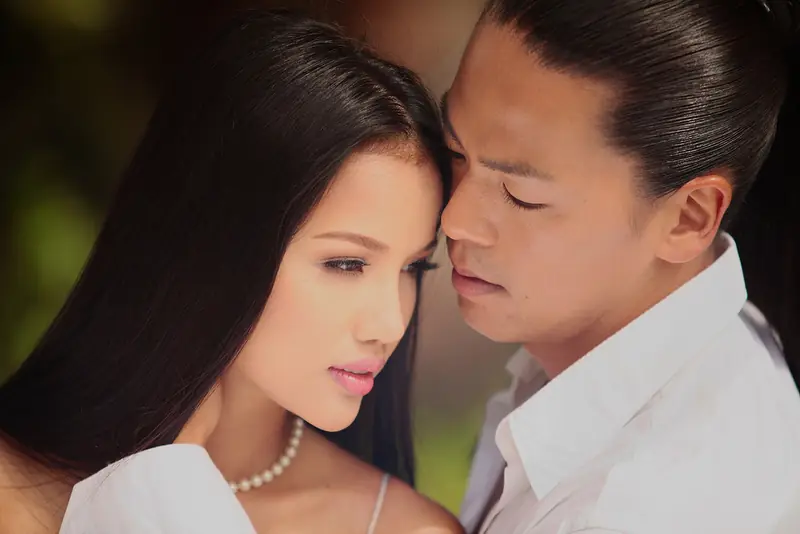
Bright sun and turquoise water are strong backdrops. Soft neutrals — ivory, champagne, sand, sage, blush and dusty blue — look timeless against them. Saturated jewel tones work beautifully for evening and in gardens. For the wedding party, choose a palette rather than exact matches; it looks more editorial and suits more people.
Avoid large logos and very busy patterns, which pull the eye away from faces, and remember that pure stark white can look gray in shade and glare in the sun — a warm ivory is often kinder on camera.
Hair and makeup in wind and humidity
- Choose a style that can move. Soft updos, low buns and textured braids hold up better than loose waves in trade winds.
- Hire local. Island hair and makeup artists know how humidity behaves and which products last. See my trusted Oʻahu vendors.
- Plan a touch-up. Ask your artist to stay through the ceremony, or leave you with blotting papers and a small kit for portraits.
- Flowers in your hair — a haku lei or a single blossom — look lovely and are made for the wind.
Shoes and sand
- Heels sink in sand. Many brides go barefoot on the beach or wear flat sandals, then change for the reception.
- Lawns can be soft too; block heels or heel protectors help.
- Lava rock is sharp and uneven. If we’re photographing on rocks, bring sturdy footwear for the walk.
Heat and comfort
- Late summer is the warmest time of year. Schedule outdoor portraits for the hour before sunset and keep the middle of the day in shade.
- Keep water and a fan nearby — and a small umbrella for shade during family photos.
- Use mineral sunscreen the day before and on the morning of the wedding, not right before portraits (some sunscreens reflect camera flash). Hawaiʻi bans the sale of sunscreens with oxybenzone or octinoxate.
- Watch for tan lines in the days before the wedding — a real issue on a beach vacation.
For your guests
Destination guests appreciate clear guidance. On the invitation or wedding website, describe the setting rather than just a dress code — “oceanfront lawn, evening, garden-party formal; heels may sink in grass” helps everyone. Suggest light fabrics, flat or block-heeled shoes, and a wrap for after sunset when the breeze can feel cool.
What to bring on the plane
- Your gown, suits, rings, lei order confirmation and license documents in your carry-on.
- A steamer, or ask your hotel about pressing.
- A small emergency kit: safety pins, fashion tape, stain remover, blotting papers, a lint roller.
The wedding party and family
- A palette, not a uniform. Give bridesmaids and groomsmen two or three colors and let them choose cuts that flatter them.
- Fabric weight. Ask everyone to avoid heavy, structured fabrics for a daytime outdoor ceremony.
- Lei for family. Presenting lei to parents and grandparents is a lovely gesture, and it ties family photographs together visually.
- Children. Pack a change of clothes for flower girls and ring bearers. Sand and water are irresistible.
Accessories
- Jewelry: simple pieces photograph best. Very reflective metal can catch the sun.
- Sunglasses: great for the beach, but take them off before the ceremony and portraits, and watch for marks on the nose.
- Watches and phones: leave them with someone for portraits.
- Fragrance and lei: a fragrant pīkake or plumeria lei can compete with perfume; keep it light.
Plan your looks around the weekend
If you’re having multi-day coverage, think in three looks: relaxed for the welcome party, your wedding attire, and the gown or suit again — or a second dress — for a day-after session, when you can walk into the water without a second thought.
Full weddings start at $3,800, with my Kamaliʻi Wahine (from $5,200) and Mōʻī (from $6,900) collections built for two photographers and a full day; intimate ceremonies start at $1,650. Travel anywhere on Oʻahu is included. See the investment page, weddings and elopements.
Frequently asked questions
Should I wear my veil on the beach?
Yes, if you love it. Secure it well, and plan a few portraits without it when the wind is strong.
Can I wear heels on the beach?
Heels sink in sand. Many brides go barefoot or wear flat sandals on the beach and change shoes for the reception.
What should a bride wear for a beach wedding in Hawaiʻi?
Light, flowing fabrics such as chiffon, organza and soft tulle move beautifully in the trade winds. Plan a bustle for long trains, secure your veil, and consider flat sandals or going barefoot on sand.
What should the groom wear?
Linen or lightweight suits in light neutrals for daytime, or a classic dark suit for an evening resort wedding. A fresh maile lei is a traditional finishing touch.
How do we handle the wind?
Choose hairstyles that can move, secure veils well, and plan a few portraits without the veil. Trade winds can also create the most striking images of the day.
What colors photograph best in Hawaiʻi?
Soft neutrals such as ivory, sand, sage, blush and dusty blue look timeless against the ocean. Avoid big logos and very busy patterns.
What should guests wear?
Describe the setting on your invitation, suggest light fabrics and flat or block-heeled shoes, and recommend a wrap for the evening breeze.
Sources
- National Weather Service Honolulu — Frequently Asked Questions (seasonal temperatures)
- Hawaiʻi Revised Statutes §342D-21 — sunscreen sale restrictions